

 By Coco
Single and Double CNC Metal Spinning Configurations.
A single or double designation identifies a configuration, not a universal output or material-capacity promise. Compare the exact model specification and the forming sequence proposed for your part. The questions below help clarify working envelope, tooling compatibility and sample evaluation before selecting a configuration.
1. Configuration is not a capacity rating
Single and double configurations should be compared using their published model specifications and the intended forming sequence. Neither label supplies a universal thickness or output guarantee. Ask for the exact machine configuration included in the proposal. Include the agreed tooling list, operating information, setup records and acceptance report in the handover scope. Confirm the available service arrangements, delivery terms and workshop interfaces in writing rather than assuming they are included.
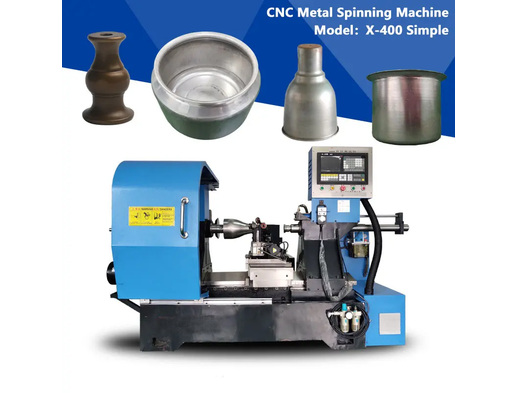
2. Start with the drawing
Supply a dimensioned drawing of the finished part and identify the dimensions that matter most. A photograph helps explain appearance, but it does not replace the profile, wall dimensions and tolerances needed for machine selection. Use a trial part made from the agreed material, blank and tool setup. Record the process conditions and inspect the dimensions, wall condition, rim and surface required by the drawing. Agree on acceptance criteria before the trial is performed.
3. Review the forming sequence
Single and double configurations should be compared using their published model specifications and the intended forming sequence. Neither label supplies a universal thickness or output guarantee. Ask for the exact machine configuration included in the proposal. Provide the expected batch size, annual quantity and number of part variants. These details help compare setup effort and the proposed production sequence. Confirm the cycle using the actual tooling and part; an unrelated demonstration cannot establish your output.
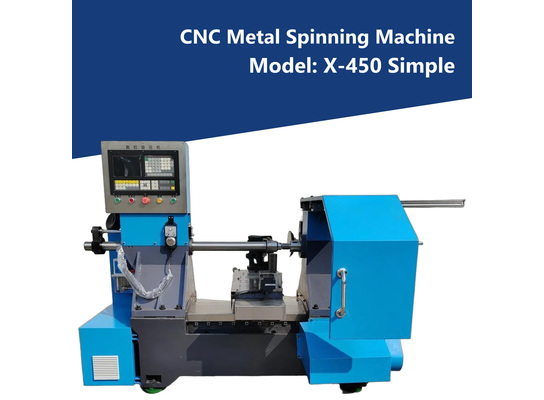
4. Match the material
Identify the alloy or grade, material condition and thickness of the actual production stock. Aluminum, steel, stainless steel, copper and brass do not share one universal forming limit. Confirm each project against the selected model and a representative trial. Review the mandrel profile, roller approach, clamping method and part-removal route together. Include access for the full forming path. Confirm which tools are included in the quotation and which are specific to an individual part drawing.
5. Compare the working envelope
State the forming depth and show the complete profile. Check the longitudinal travel, tooling clearance and distance available around the workpiece. Two parts with the same diameter can require different setups because their depths and shapes differ. Supply a dimensioned drawing of the finished part and identify the dimensions that matter most. A photograph helps explain appearance, but it does not replace the profile, wall dimensions and tolerances needed for machine selection.
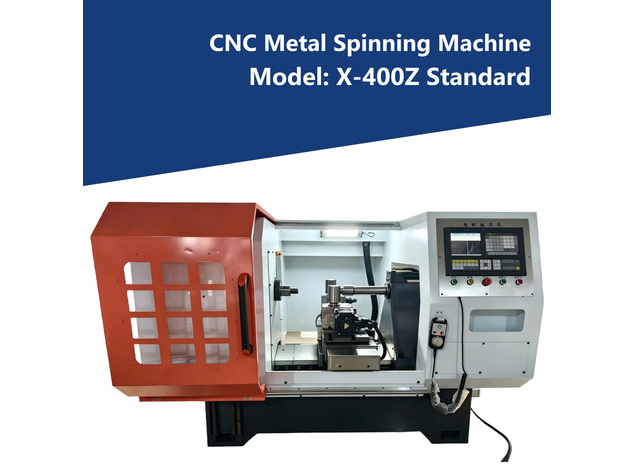
6. Review tooling compatibility
Review the mandrel profile, roller approach, clamping method and part-removal route together. Include access for the full forming path. Confirm which tools are included in the quotation and which are specific to an individual part drawing. Identify the alloy or grade, material condition and thickness of the actual production stock. Aluminum, steel, stainless steel, copper and brass do not share one universal forming limit. Confirm each project against the selected model and a representative trial.
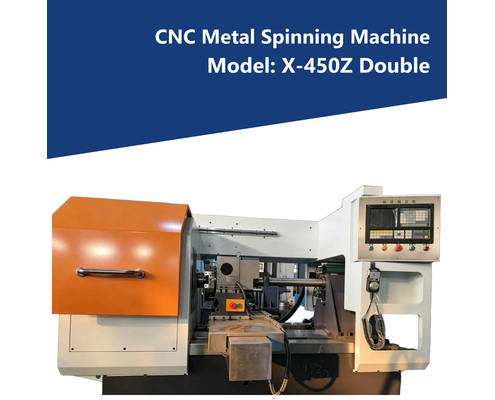
7. Evaluate the trial cycle
Provide the expected batch size, annual quantity and number of part variants. These details help compare setup effort and the proposed production sequence. Confirm the cycle using the actual tooling and part; an unrelated demonstration cannot establish your output. Specify the surfaces that remain visible and the condition needed before any subsequent finishing. Discuss roller marks, edge condition and any later polishing or coating separately. Assess the actual sample instead of assuming that every material produces the same finish.
8. Inspect repeat samples
Use a trial part made from the agreed material, blank and tool setup. Record the process conditions and inspect the dimensions, wall condition, rim and surface required by the drawing. Agree on acceptance criteria before the trial is performed. Confirm the starting blank diameter as well as the finished part diameter. The blank, forming tool and workpiece all need to fit the selected model. Compare the published model specification rather than treating its model name as a guaranteed working size.
9. Confirm configuration details
Include the agreed tooling list, operating information, setup records and acceptance report in the handover scope. Confirm the available service arrangements, delivery terms and workshop interfaces in writing rather than assuming they are included. Single and double configurations should be compared using their published model specifications and the intended forming sequence. Neither label supplies a universal thickness or output guarantee. Ask for the exact machine configuration included in the proposal.
10. Request a model comparison
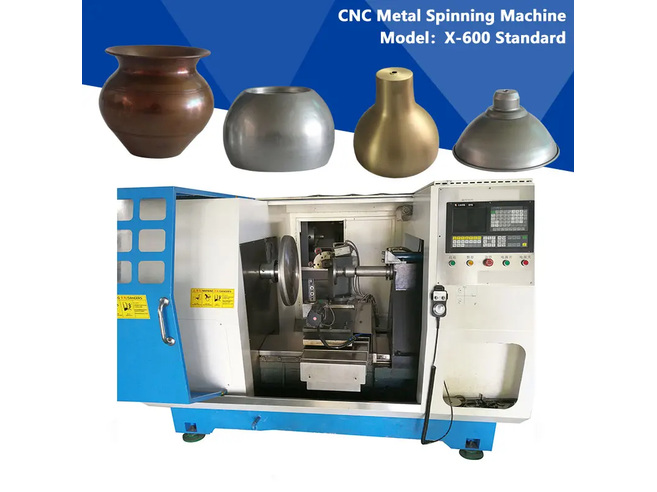
Send the drawing, alloy, blank thickness, finished profile and target quantity to MFG1985. The team can then compare the relevant open-frame or covered models and clarify tooling, trial requirements and the scope of the proposed quotation.
Project Checklist
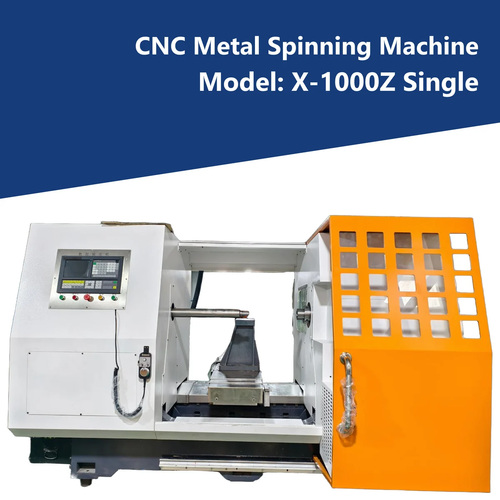
Send the drawing, alloy, blank thickness, finished profile and target quantity to MFG1985. The team can then compare the relevant open-frame or covered models and clarify tooling, trial requirements and the scope of the proposed quotation.
Next Step
Send the drawing, alloy, blank thickness, finished profile and target quantity to MFG1985. The team can then compare the relevant open-frame or covered models and clarify tooling, trial requirements and the scope of the proposed quotation.
CNC Spinning Updates
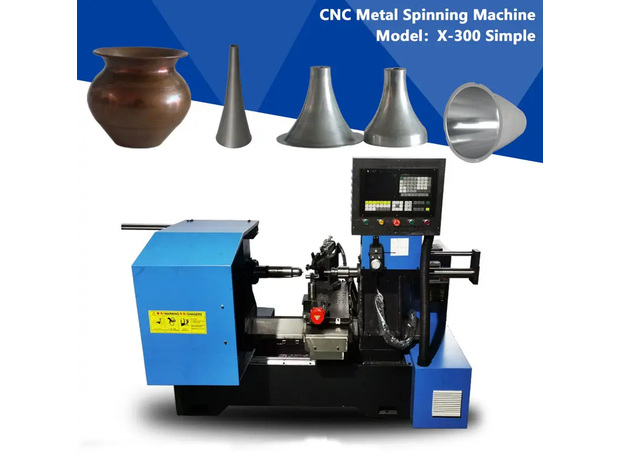
Get CNC metal spinning model news, material guidance and application updates from Mfg1985.com.


